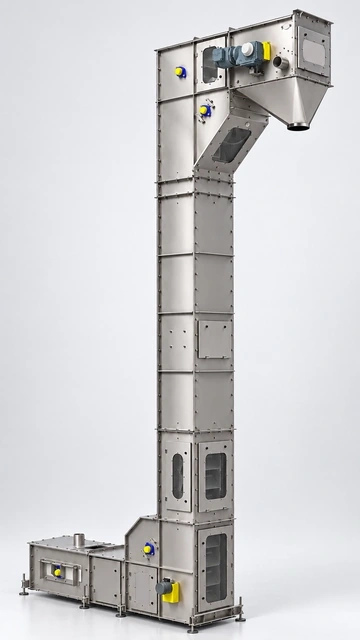
TipTrak® Bucket Elevator
Gentle, spill-free conveying for fragile and difficult bulk materials.
Protect product quality and keep difficult materials moving.
UniTrak designs and manufactures specialty conveying equipment, selecting the conveying method around your material and process. Application engineering and material testing help determine the right equipment and configuration.

Explore the conveying technology that fits your material and process.
Gentle, spill-free conveying for fragile and difficult bulk materials.
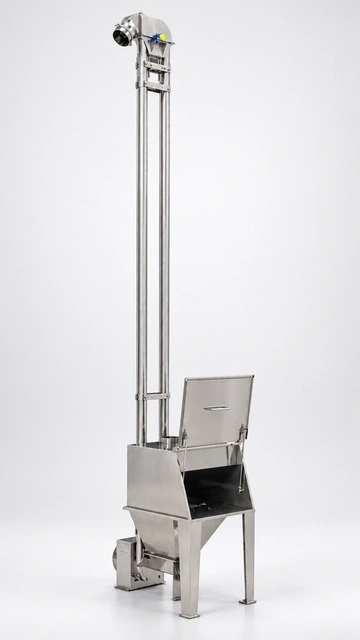
Fast, enclosed conveying of powders and bulk materials with minimal product retention.
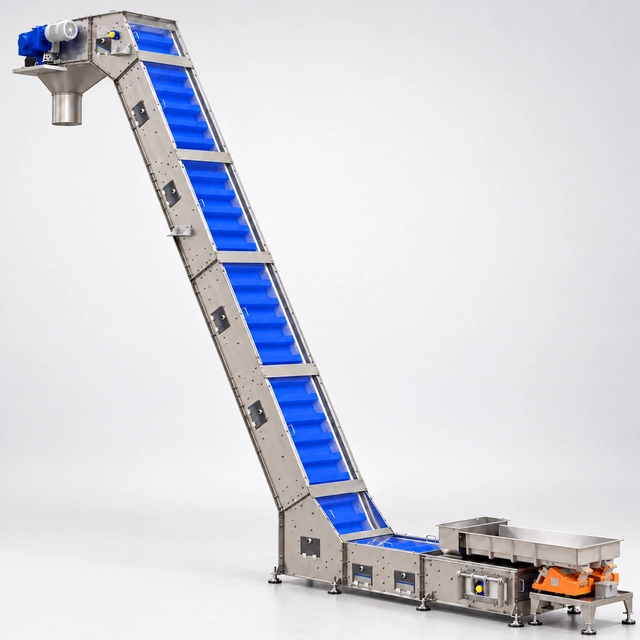
Easy-to-clean belt conveying for food and contamination-sensitive applications.
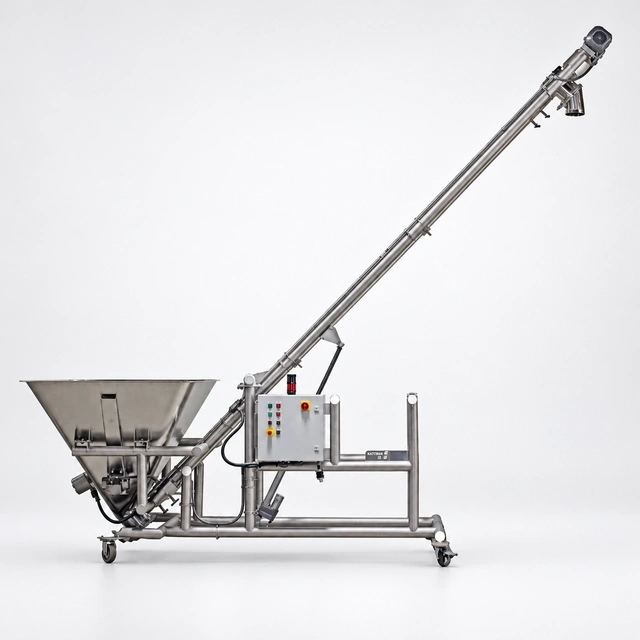
Simple, flexible conveying of powders, granules and other bulk materials.
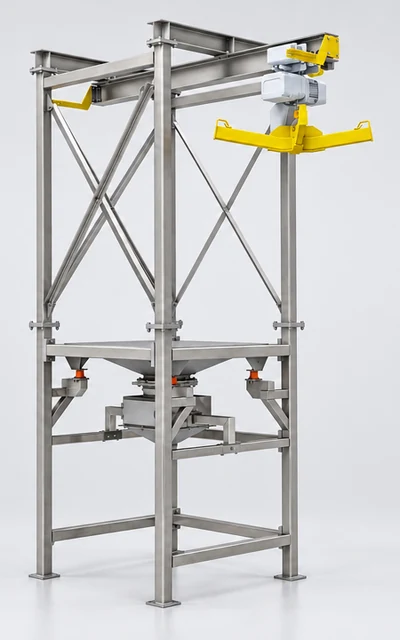
Controlled bulk bag unloading and material discharge into downstream processes.
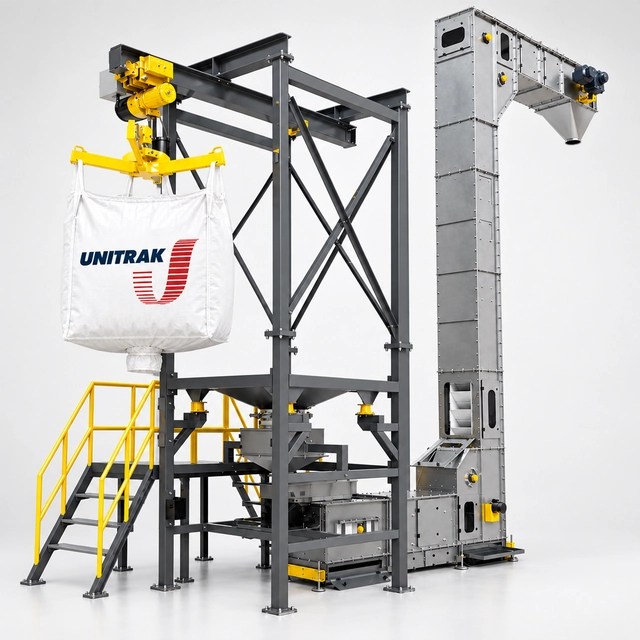
Coordinated material handling built around UniTrak equipment and selected ancillary components.
Material characteristics often determine which conveying approach will work. Explore some of the common challenges UniTrak helps manufacturers address.
Material behavior, process requirements, equipment interfaces, plant layout and operating conditions all influence how a conveying system needs to perform. UniTrak brings those considerations together to develop equipment around the application.
Match the conveying approach to the material, capacity, process and operating requirements.
Evaluate difficult materials under representative conveying conditions before committing to an equipment solution.
Configure equipment around plant layouts, process interfaces and application requirements.
Support equipment with parts, technical expertise, preventative maintenance and field service throughout its operating life.
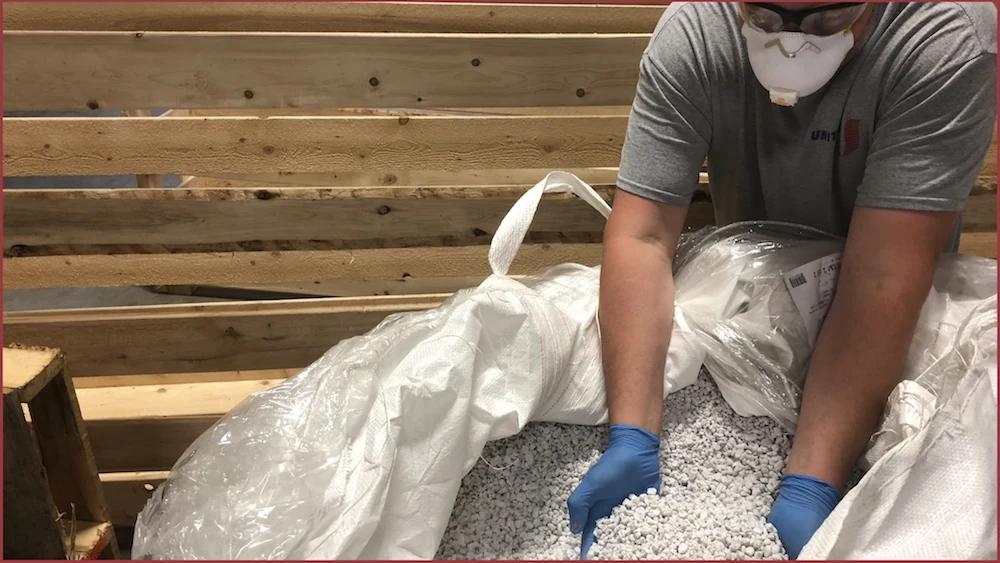
Find out how your material flows, discharges and responds to conveying before selecting equipment. UniTrak material testing helps assess product condition, dust generation and residual material so the findings can guide your conveying solution.
Contact us before sending samples so we can confirm the test scope and sample requirements.
Different materials, operating environments and process requirements create different conveying challenges. Explore UniTrak equipment and application experience across the industries we serve.
Gentle handling, cleaning, product integrity and food-grade applications.
Dusty, hazardous, corrosive and difficult-to-handle materials.
Pellets, powders, resins, additives and rubber materials.
Seeds, fertilizers, agricultural chemicals and other bulk materials.
Fine, valuable and demanding battery powders and related materials.
Metal powders, flakes, granules and other challenging metal materials.
Abrasive, dense, dusty and difficult-to-handle minerals and processed mineral materials.
Unusual materials and applications that require an engineered conveying approach.
Protect tablets and transfer dry ingredients with conveying equipment selected around product integrity, cleaning and containment requirements.
Move biomass, recovered materials and other process inputs while addressing dust, product integrity and plant layout.
Actual materials, real process requirements, and verified UniTrak applications.
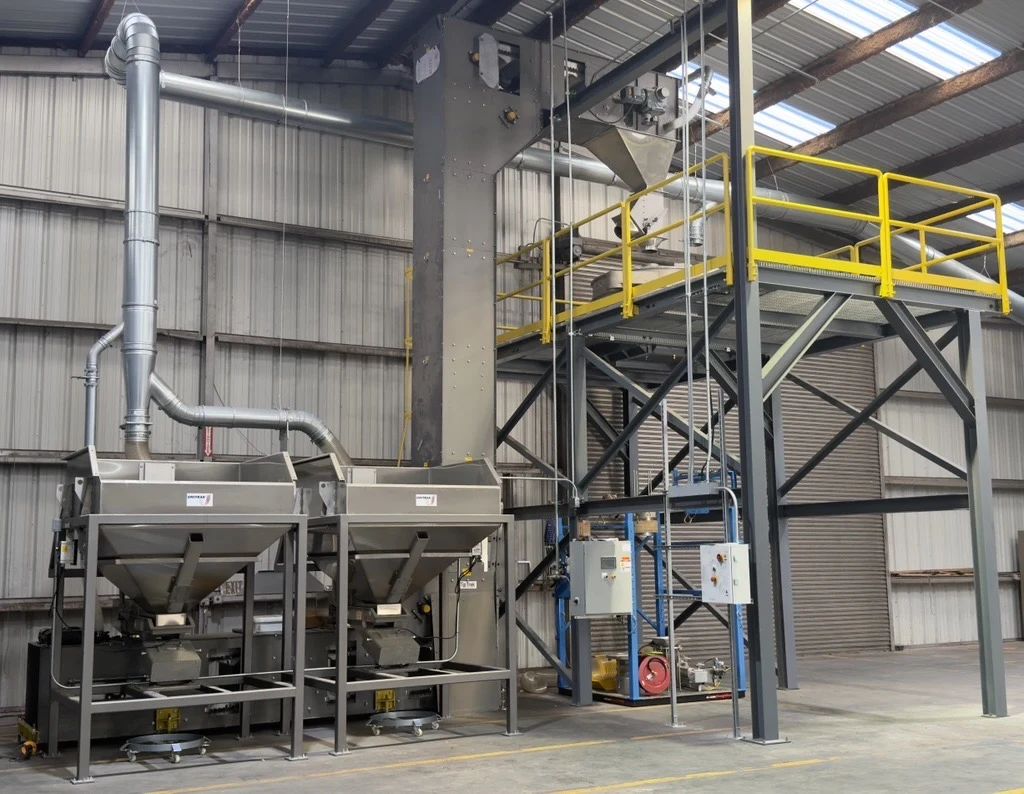
A low-impact TipTrak system conveys highly friable catalyst while minimizing agitation and particle breakdown.
Read Case Study
A pharmaceutical manufacturer replaced a conveyor that lost and damaged antacid tablets with a TipTrak system that minimized spillage.
Read Case Study
Material testing led to conductive TipTrak configurations for Johns Manville’s friable, lightweight, static-prone chopped fibreglass.
Read Case StudyUniTrak supports customers beyond equipment installation with replacement parts, preventative maintenance, technical support and field service.
OEM replacement parts and recommended spare-parts packages.
Planned inspections and maintenance support to help identify issues before they become downtime.
On-site technical support when hands-on assistance is required.
Direct access to UniTrak equipment and application expertise.
Tell us about the material, where it needs to go and what you’re trying to accomplish. Our team can review the application and help determine which conveying approach makes sense for the process.